
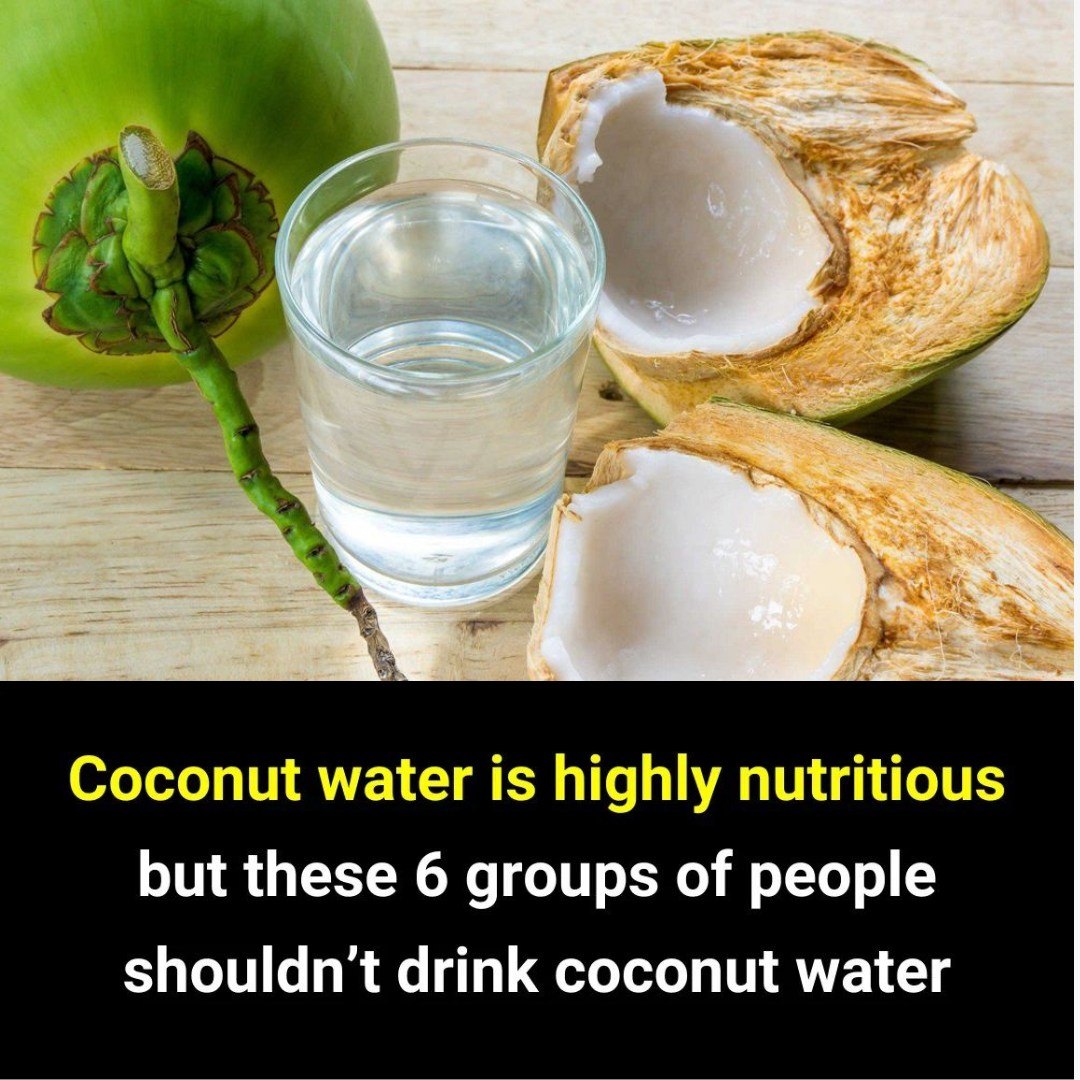
Coconut water is often praised as a natural, refreshing drink packed with electrolytes, antioxidants, and hydration benefits. It’s commonly marketed as a healthier alternative to sugary beverages and sports drinks.
However, despite its natural appeal, coconut water isn’t ideal for everyone. In certain health conditions, drinking it regularly — or in large amounts — may require caution.
Here are six situations where you may need to be careful.
1. Kidney Disease
Coconut water is naturally high in potassium. While potassium is essential for heart and muscle function, people with kidney disease may struggle to remove excess potassium from their blood.
High potassium levels (hyperkalemia) can lead to:
-
Irregular heartbeat
-
Muscle weakness
-
Serious heart complications
If you have impaired kidney function, it’s important to monitor potassium intake carefully.
2. Heart Conditions
Potassium plays a key role in regulating heart rhythm. While moderate amounts support heart health, excessive potassium may disrupt electrical activity in people with certain heart conditions.
Those taking medications that affect potassium levels — such as ACE inhibitors or potassium-sparing diuretics — should be especially cautious.
3. Low Blood Pressure (Hypotension)
Coconut water may have mild blood pressure–lowering effects. For individuals already dealing with low blood pressure, consuming it in large amounts could potentially cause:
-
Dizziness
-
Lightheadedness
-
Fainting
If you are prone to low blood pressure, moderation is important.
4. Diabetes
Although coconut water is natural, it still contains carbohydrates and natural sugars. Unsweetened varieties are lower in sugar than fruit juices, but they can still impact blood glucose levels.
People with diabetes should:
-
Choose unsweetened coconut water
-
Monitor blood sugar after consumption
-
Avoid excessive intake
Portion control is key.
5. Electrolyte Imbalance
Coconut water is rich in potassium and contains sodium and magnesium as well. While helpful for rehydration after mild exercise, excessive consumption — especially without medical need — could disrupt electrolyte balance.
Drinking large amounts daily without necessity may not be beneficial.
6. Before Surgery
Because coconut water may influence blood pressure and electrolyte levels, some healthcare providers recommend avoiding it before surgery.
Maintaining stable blood pressure and electrolyte balance is important during surgical procedures.
The Bottom Line
Coconut water can be a healthy, refreshing drink for many people when consumed in moderation. It offers hydration, natural electrolytes, and a mild sweetness without artificial additives.
However, if you have kidney issues, heart conditions, blood pressure concerns, diabetes, or are preparing for surgery, it’s wise to consult a healthcare professional before making it a regular part of your routine.
As with many “healthy” foods and drinks, balance and individual health needs matter most.
