
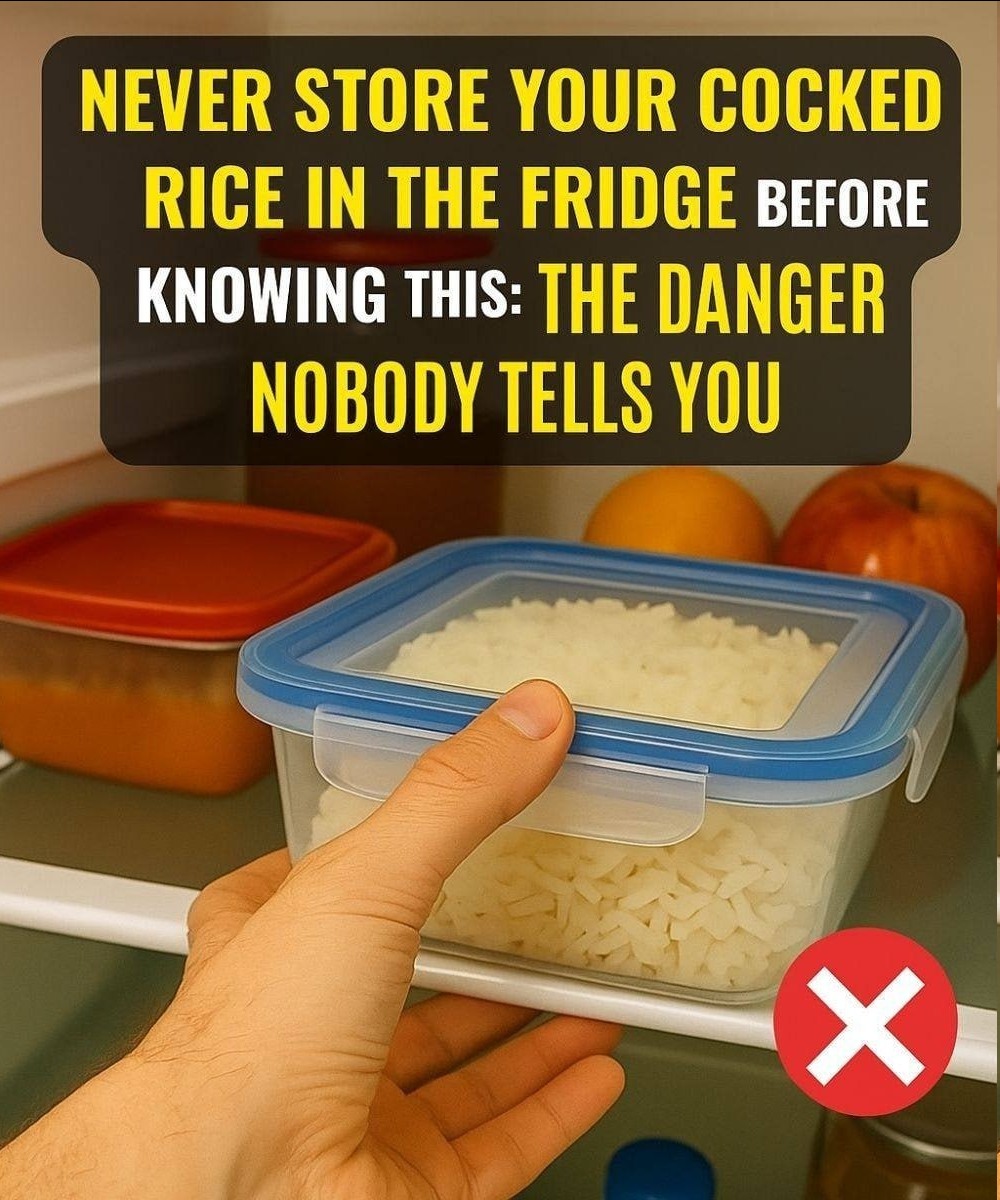
Rice is a pantry staple and a versatile ingredient found in countless dishes, from stir-fries to sushi. But when it comes to leftovers, many people don’t realize that rice can pose a hidden danger if not stored or reheated properly. While refrigerating leftover rice might seem like a safe bet, improper handling can allow harmful bacteria to grow—even in the fridge. Let’s explore what could be lurking in your leftover rice, why it happens, and how to keep yourself and your family safe.
The Hidden Danger: Bacillus Cereus
One of the most common culprits behind foodborne illness from rice is a bacterium called Bacillus cereus . This microorganism produces heat-resistant spores that can survive cooking and thrive in warm, moist environments. If rice is left out at room temperature for too long or stored improperly, these spores can multiply and produce toxins that cause food poisoning.
Symptoms of Bacillus Cereus Poisoning
Diarrhea Type: Symptoms include diarrhea, abdominal cramps, and nausea, typically starting 6–15 hours after consumption.
Vomiting Type: Symptoms include nausea and vomiting, usually occurring 30 minutes to 6 hours after eating contaminated rice.
While most cases are mild and resolve within 24 hours, they can still lead to discomfort and dehydration.
Why the Fridge Isn’t Always Enough
Storing leftover rice in the fridge is a good start, but it doesn’t guarantee safety. Here’s why:
Spores Can Survive Refrigeration: Bacillus cereus spores are resistant to cold temperatures, so simply placing rice in the fridge doesn’t kill them.
Improper Cooling: If rice cools too slowly, bacteria can multiply before the dish reaches a safe storage temperature (below 40°F/4°C).
Reheating Doesn’t Eliminate Toxins: While reheating kills some bacteria, it doesn’t destroy the toxins produced by Bacillus cereus. Once toxins form, the rice is unsafe to eat.
How to Safely Handle Leftover Rice
To minimize the risk of foodborne illness, follow these steps:
1. Cool Rice Quickly
Spread cooked rice out on a baking sheet or shallow container to help it cool faster.
Place the rice in the fridge within 1–2 hours of cooking to prevent bacterial growth.
2. Store in an Airtight Container
Transfer cooled rice to an airtight container to reduce exposure to air and moisture, which can encourage bacterial growth.
Label the container with the date to track how long it’s been stored.
3. Keep It Cold
Store rice in the coldest part of your fridge (usually the back of the bottom shelf) to maintain a consistent temperature below 40°F (4°C).
Consume leftover rice within 3–4 days for optimal safety.
4. Reheat Thoroughly
When reheating rice, ensure it reaches an internal temperature of 165°F (74°C) to kill any remaining bacteria.
Stir the rice while reheating to distribute heat evenly.
5. Freeze for Longer Storage
If you don’t plan to eat the rice within a few days, freeze it instead. Divide the rice into portion-sized containers or freezer bags, label them, and store for up to 1 month for best quality.
Prevention Tips for Cooking Rice
Wash Rice Before Cooking: Rinse rice under cold water to remove excess starch and surface bacteria.
Cook Thoroughly: Ensure rice is fully cooked to kill any bacteria present before serving.
Serve Immediately or Chill Promptly: Avoid leaving cooked rice at room temperature for more than 1–2 hours.
When to Throw Out Leftover Rice
If you’re unsure whether your leftover rice is safe to eat, err on the side of caution and discard it. Watch for these warning signs:
An off smell or unusual taste
Mold or discoloration
Rice that has been left out for more than 2 hours
Rice stored beyond the recommended 3–4 days in the fridge
Conclusion: Stay Safe with Proper Rice Handling
Leftover rice doesn’t have to be a source of worry if handled correctly. By cooling, storing, and reheating rice properly, you can enjoy its versatility without compromising your health. Remember, the fridge isn’t a foolproof solution—timing and technique are key to preventing the growth of harmful bacteria like Bacillus cereus. With these tips in mind, you can confidently make the most of your rice dishes while keeping foodborne illness at bay.
Have you ever encountered issues with leftover rice? Share your experiences or questions—we’d love to hear from you!
