
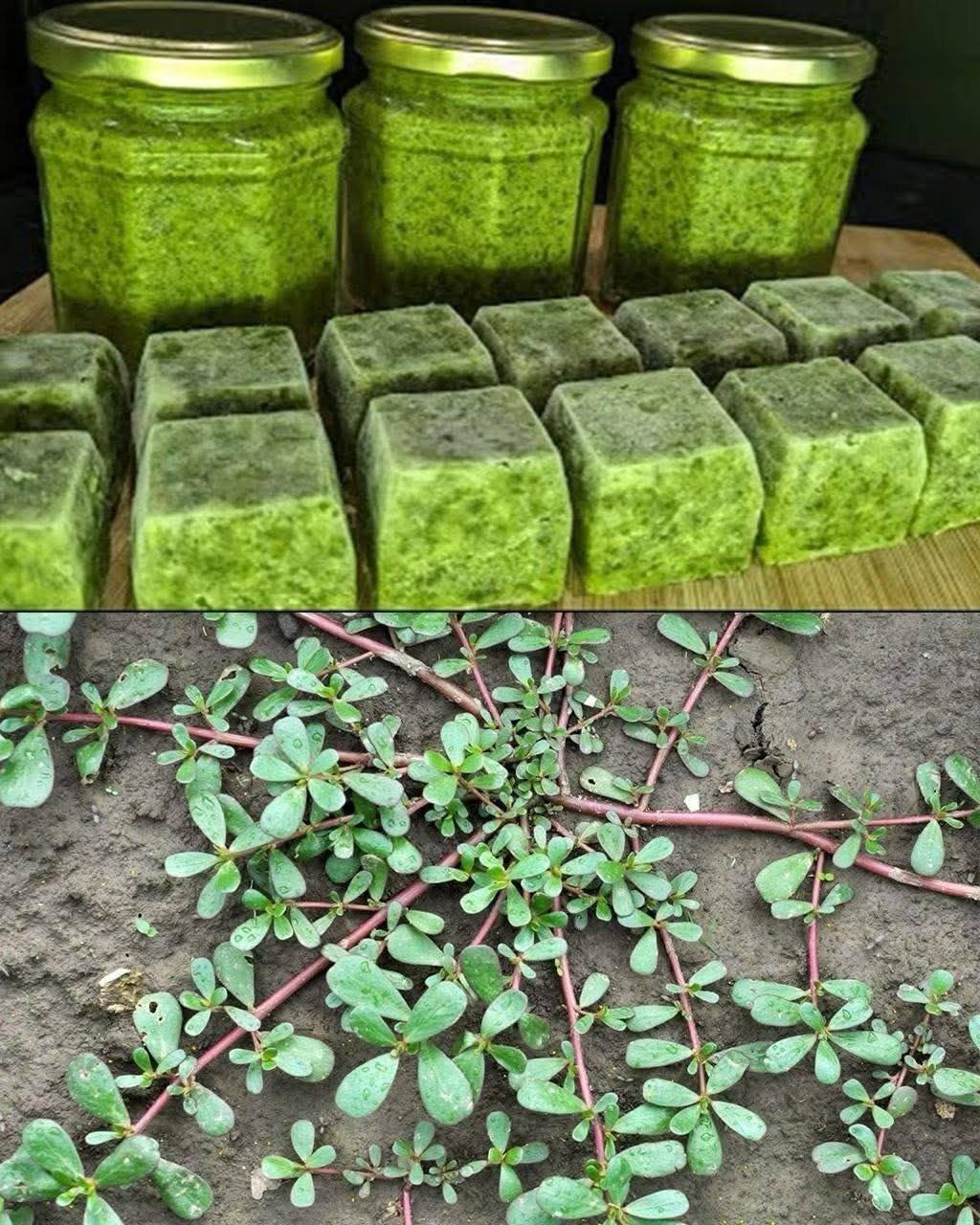
But purslane (Portulaca oleracea) isn’t just a common backyard plant—it’s one of nature’s most nutrient-dense superfoods, packed with compounds that become especially powerful as we age.
Often called “the omega-3 green,” purslane contains more plant-based omega-3 fatty acids (ALA) than any other leafy vegetable—even more than spinach or kale. And for adults over 60, this humble succulent may offer quiet, profound support for heart health, brain function, and inflammation control.
Let’s explore what really happens when you add purslane to your daily diet—and why it could be one of the smartest nutritional choices you make after 60.
Purslane is a low-growing, succulent green with a mild, slightly tangy flavor. But don’t let its simplicity fool you. Per 100g (about 1 cup raw), it delivers:
- 400–700 mg of ALA omega-3s (more than any other leafy green)
- High levels of antioxidants: glutathione, betalains, and vitamin C
- Rich in magnesium, potassium, and calcium
- Natural source of melatonin—a hormone that regulates sleep and fights oxidative stress
Fun fact: Purslane has been used for centuries in Mediterranean, Middle Eastern, and Ayurvedic medicine for wound healing, digestion, and cooling the body.
1. Supports Heart Health by Lowering Triglycerides & Blood Pressure
The omega-3s in purslane help:
- Reduce blood triglycerides
- Improve arterial flexibility
- Lower systolic blood pressure
 Why it matters after 60: Cardiovascular disease remains the #1 cause of death in older adults. Regular intake of omega-3-rich foods like purslane is linked to a lower risk of heart attack and stroke.
2. Fights Chronic Inflammation
Purslane’s unique blend of betalains and flavonoids actively suppresses inflammatory markers like CRP and IL-6—key drivers of arthritis, diabetes, and cognitive decline.
Bonus: Reduced inflammation = less joint pain and better mobility.
3. Protects Brain Health & Cognitive Function
Omega-3s and antioxidants in purslane support neuron health and may slow age-related cognitive decline.
Study insight: Diets rich in plant-based omega-3s are associated with a lower risk of Alzheimer’s and vascular dementia.
4. Supports Healthy Blood Sugar Levels
Compounds in purslane improve insulin sensitivity and reduce post-meal glucose spikes—critical for preventing type 2 diabetes, which becomes more common with age.
Note: Animal studies show promising results; human trials are ongoing.
5. Promotes Better Sleep (Thanks to Natural Melatonin)
Purslane contains one of the highest natural concentrations of melatonin among edible plants.
After 60, when melatonin production naturally declines, this can help regulate sleep cycles—without pills.
How to Enjoy Purslane (It’s Easier Than You Think!)
- Raw: Toss into salads (it’s crisp like cucumber!)
- Sautéed: Cook with garlic and olive oil like spinach
- Blended: Add to smoothies or green juices
- Pickled: Preserve summer harvests with vinegar and spices
- In soups or stews: Adds thickness and nutrients
Tip: Look for bright green, plump stems—avoid yellow or wilted leaves.
Can’t find it? Grow it! Purslane thrives in poor soil and full sun—it’s practically unstoppable.
Who Should Be Cautious?
- People with kidney stones: Purslane contains oxalates, which may contribute to calcium-oxalate stones in susceptible individuals.
→ Fix: Pair with calcium-rich foods and drink plenty of water. - Those on blood thinners: While not high in vitamin K, consult your doctor if consuming large amounts daily.
Final Thought: Wisdom Grows in Unexpected Places
Purslane teaches us a beautiful lesson: some of the most powerful medicines grow quietly at our feet.
For adults over 60, adding this resilient green to your plate isn’t about chasing trends—it’s about honoring your body with food that nourishes, protects, and sustains.
So next time you see those fleshy green leaves in your garden or at the farmers market, don’t pull it—harvest it.
Your heart, brain, and joints will thank you for years to come.
