
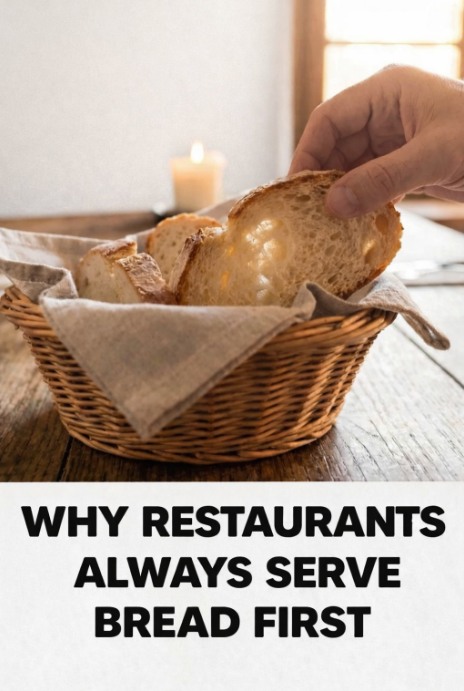
When you sit down at a restaurant, something almost automatic happens: a basket of warm bread appears on the table before you even open the menu. It feels welcoming, comforting, and thoughtful. But behind this simple gesture lies a deeper strategy rooted in psychology, hospitality traditions, and customer experience design.
This small detail may seem insignificant, yet it quietly shapes your entire dining experience from the very first minute.
1. A Powerful Symbol of Hospitality
Serving bread before ordering is first and foremost a classic symbol of generosity and warmth. Across cultures, bread has long represented sharing and care. When a restaurant places fresh bread on your table, it sends a subtle message:
-
You are welcome here.
-
You are being taken care of.
-
Your comfort matters.
This immediate gesture builds trust and reassures guests that they are in good hands. First impressions matter — and bread creates a positive one instantly.
2. The Psychological Effect of Carbohydrates
Beyond hospitality, there may also be a subtle psychological mechanism at play.
Some neuroscience discussions, including insights shared by experts such as Daniel Amen, suggest that carbohydrates can temporarily increase blood sugar levels. This process may support serotonin production — often referred to as the “feel-good” chemical.
What does this mean in a restaurant setting?
-
Guests feel calmer.
-
The waiting time feels shorter.
-
The atmosphere becomes more enjoyable.
Instead of impatience while deciding what to order, diners experience a pleasant pause.
3. How Mood Influences Ordering Decisions
Comfort significantly affects decision-making, especially when it comes to food.
When customers feel relaxed and welcomed, they are more likely to:
-
Order appetizers
-
Add desserts
-
Choose an extra drink
-
Stay longer
Bread encourages diners to slow down, settle in, and see the meal as an experience rather than just a quick transaction. From a business perspective, this improves both customer satisfaction and overall sales flow.
4. Managing Hunger and Expectations
Another practical reason restaurants serve bread before you order is to take the edge off initial hunger. When guests arrive very hungry, they may:
-
Feel impatient
-
Rush their choices
-
Judge service speed more critically
A small portion of bread stabilizes hunger levels, creating a smoother dining rhythm and reducing perceived waiting time.
5. The Experience Starts Before the Food
Restaurants don’t just sell meals — they sell experiences.
From lighting and music to table setup and complimentary bread, every detail is carefully designed to influence how guests feel. The moment bread arrives, the dining experience officially begins.
It signals:
-
Comfort
-
Abundance
-
Care
-
Social connection
And all of this happens before the first entrée is even chosen.
Conclusion
The real reason restaurants serve bread before you even order goes far beyond tradition. It’s a strategic blend of hospitality, psychology, and customer experience design.
That warm basket on the table:
-
Makes you feel welcome
-
Improves your mood
-
Shapes your decisions
-
Enhances the overall dining experience
So next time you break off a piece of bread while scanning the menu, remember — the restaurant has already started guiding your experience in subtle but powerful ways.
Thank you for visiting the site…….
