
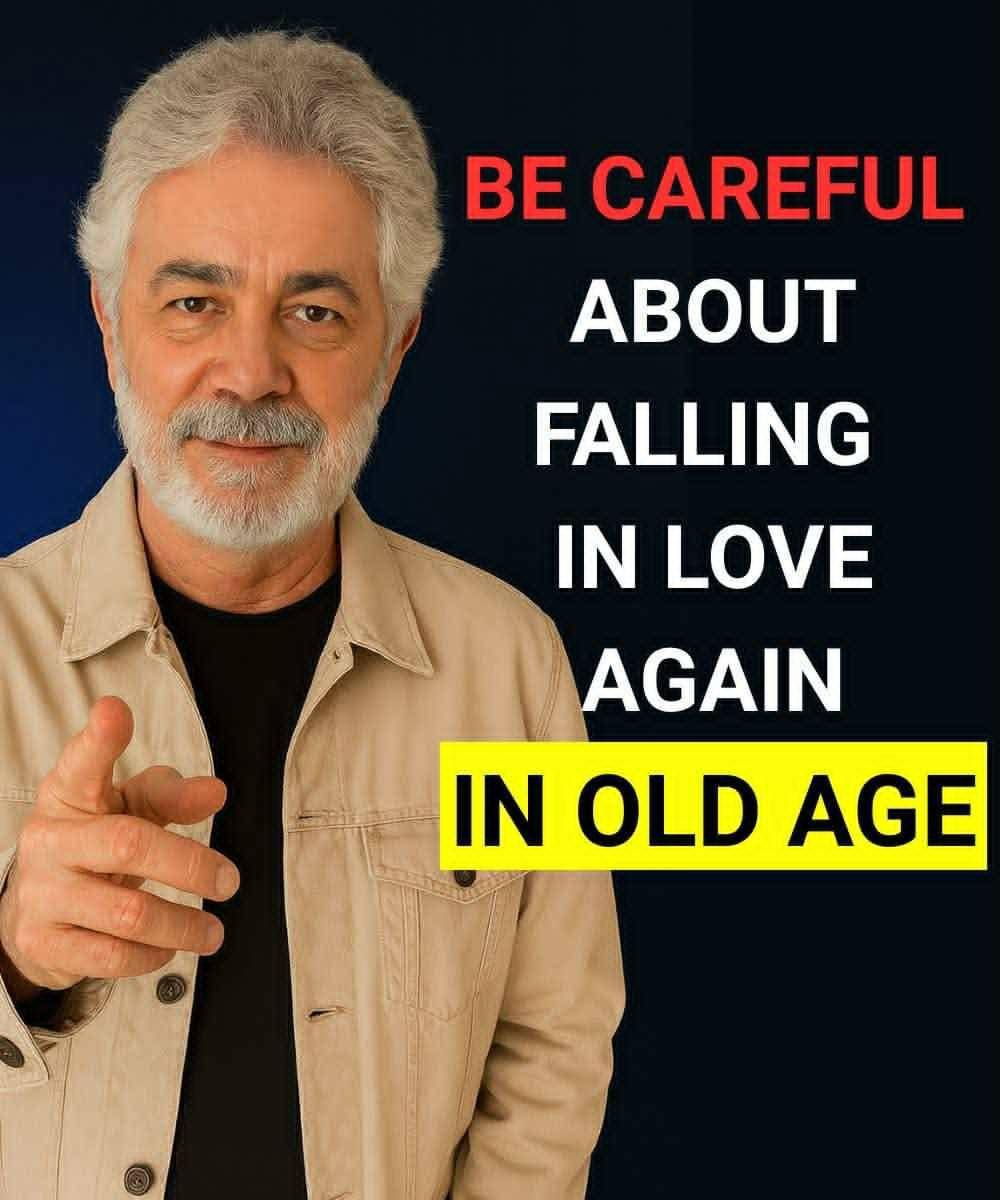
Falling in love after 60 can feel like a gift—renewed joy, companionship, and emotional intimacy when you least expect it. But while society celebrates romance at any age, few talk openly about the unique emotional, financial, and relational complexities that can arise in later-life relationships.
This isn’t to discourage love—it’s to prepare your heart with wisdom.
Here are the untold realities many experience but rarely discuss:
❤️ 1. Family Resistance & Loyalty Conflicts
Adult children may react with suspicion, jealousy, or fear—especially if:
- They worry about inheritance or financial exploitation
- They feel their parent is being “replaced” or manipulated
- They’re grieving the loss of a previous spouse and see new love as betrayal
💬 “My kids called her a ‘gold digger’ before they even met her.”
— Robert, 68
What helps: Open communication, clear boundaries, and including family gradually—not defensively.
💰 2. Financial Entanglement Risks
After decades of independence, merging finances (even informally) can be risky:
- One partner may have debt, poor credit, or hidden obligations
- Blending assets can disinherit children or complicate estates
- Long-term care costs (e.g., nursing home) can drain shared resources
⚠️ Reality: A new spouse often has legal rights to assets—even if your will says otherwise.
What helps: Consult an elder law attorney before cohabitating or remarrying. Consider a prenuptial agreement—not as distrust, but as clarity.
🏠 3. Loss of Independence
After years of solo living, sharing space can feel suffocating:
- Differences in routines (sleep, TV, chores) become magnified
- One partner may become overly dependent due to health or loneliness
- Giving up your home to move in together can trigger regret
What helps: Take it slow. Try extended visits before merging households. Protect personal space.
🩺 4. Health & Caregiving Imbalance
One partner may appear healthy at first—then decline rapidly. Suddenly, romance becomes caregiving:
- You may become an unpaid nurse, sacrificing your own health
- Guilt can prevent setting boundaries (“They need me”)
- Resentment builds if expectations aren’t discussed early
What helps: Talk honestly about health histories, future care wishes, and limits before commitment deepens.
💔 5. Grief Complications
New love can stir unresolved grief from past losses:
- Comparing a new partner to a late spouse
- Feeling guilty for “moving on”
- Emotional whiplash when joy triggers sadness
What helps: Therapy or grief support groups can help integrate past and present love.
🌟 But Here’s the Beautiful Truth
Despite these risks, love after 60 can be deeply fulfilling—often more honest, patient, and intentional than in youth. You know yourself better. You choose kindness over drama. You cherish time because you understand its value.
“At 65, I don’t have time for games. I want someone real—and I’m willing to be real too.”
— Eleanor, 71
❤️ How to Love Wisely After 60
- Go slow—let trust build over months, not weeks.
- Talk money early—it’s not romantic, but it’s respectful.
- Keep your circle—don’t isolate from friends or family.
- Protect your health—emotionally and physically.
- Honor your past—without letting it block your future.
Final Thought
Love after 60 isn’t naive—it’s courageous. It says: “I’ve known loss, and still, I choose connection.”
So open your heart—but keep your eyes open too. With honesty, boundaries, and self-respect, late-life love can be one of life’s sweetest chapters.
