
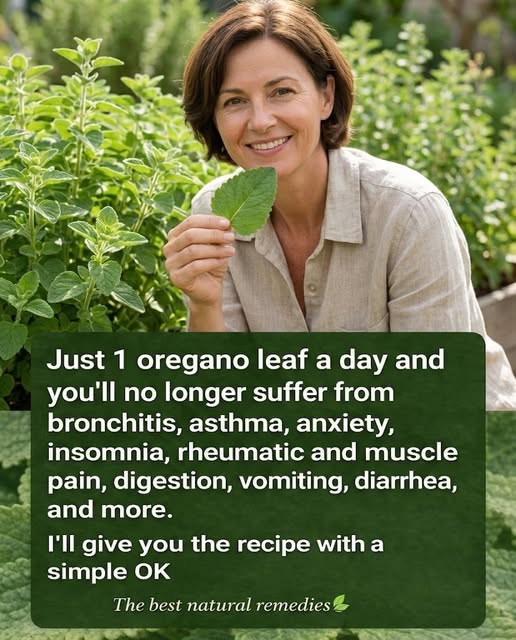
Tucked in kitchen windowsills across the Caribbean, Mexico, and Southeast Asia grows a plant with thick, velvety leaves and an aroma both pungent and familiar. Known as Cuban oregano, Mexican mint, or botanically as Plectranthus amboinicus, this herb has long held a place in family wellness traditions—not as a cure, but as a gentle, daily ritual.
Before we explore its role, a vital clarification:
🌱 This plant is not true oregano (Origanum vulgare).
🌱 No herb prevents or cures disease.
🌱 Traditional use ≠ medical evidence.
This reflection honors cultural wisdom while prioritizing safety, clarity, and respect for your health journey.
Understanding the Tradition
For generations, families have turned to Cuban oregano during moments of seasonal discomfort:
→ A single leaf steeped in warm water after a heavy meal
→ The steam inhaled gently during respiratory congestion
→ A calming ritual before bedtime
These practices reflect a deeper philosophy: small, consistent acts of care. The plant’s strong scent—earthy, camphoraceous, slightly minty—engages the senses, creating a mindful pause in a busy day. For many, the ritual itself holds value: the warmth of the cup, the intentional breath, the quiet moment of self-regard.
A Gentle Preparation Method (If You Choose to Try)
Always consult your healthcare provider before introducing any new herb, especially if you have health conditions or take medications.
Simple Infusion
• 1 fresh leaf (thoroughly washed)
• 1 cup hot (not boiling) water
• Optional: lemon slice or teaspoon of honey after steeping
Method
Place leaf in a mug. Pour hot water over it.
Cover and steep 5 minutes (not longer—intensity increases with time).
Strain. Sip slowly.
Important Guidance
→ Never exceed one leaf per day.
→ Limit to 3–4 times weekly for general use.
→ After 7 consecutive days, pause for several days.
→ If sensitive, consume after a light snack to ease stomach tolerance.
Safety First: Essential Considerations
Cuban oregano contains concentrated compounds. Respect is non-negotiable:
Who Should Avoid
Why
Pregnant or breastfeeding individuals
Insufficient safety data; potential uterine stimulation
Children under 6
Developing systems are more vulnerable
Those with low blood pressure
May enhance hypotensive effects
People on blood thinners, diabetes, or blood pressure meds
Possible interactions
Anyone with known sensitivities
Discontinue immediately if rash, swelling, or discomfort occurs
💡 The most common misstep? Using multiple leaves, steeping too long, or consuming daily without breaks. More is not better. Gentleness ensures sustainability.
Honoring Context, Managing Expectations
Traditional systems describe Cuban oregano as having properties that may support:
• Respiratory comfort during seasonal changes
• Digestive ease after rich meals
• A calming sensory ritual for nervous system regulation
These observations stem from cultural knowledge—not clinical proof. Modern science has not robustly validated these uses for P. amboinicus. What is well-established:
✅ Rituals reduce perceived stress
✅ Warm beverages support hydration
✅ Mindful pauses improve self-awareness
The true power often lies not in the leaf itself, but in the intention behind it.
A Balanced Perspective
If you explore this tradition:
🔹 Approach it as one small element within a holistic wellness practice—not a standalone solution.
🔹 Pair it with evidence-based habits: balanced nutrition, movement, sleep, and professional medical care.
🔹 Listen deeply to your body. Does it feel nourishing? Or strained? Your response is your guide.
🔹 Honor the cultures that preserved this knowledge—without appropriating or overclaiming.
Final Reflection
There is wisdom in slowing down. In steam rising from a cup. In the scent of an herb carried through generations. Cuban oregano invites us into a moment of presence—a quiet vote for self-care in a hurried world.
But true empowerment lies in discernment:
→ Knowing when to honor tradition
→ Knowing when to seek professional care
→ Understanding that you are the expert on your body
If this resonates with your path, move gently. Consult your healthcare provider. Start small. Observe without judgment.
And if you choose not to use it? That is equally wise.
Your health journey belongs to you. Walk it with curiosity, compassion, and care.
🌿 This article shares cultural and traditional context for educational purposes only. It is not medical advice. Always consult a qualified healthcare provider before using herbs, especially with pre-existing conditions or medications.
Botanical Note: Cuban oregano (Plectranthus amboinicus) is unrelated to Mediterranean oregano (Origanum vulgare). Do not substitute interchangeably.
