
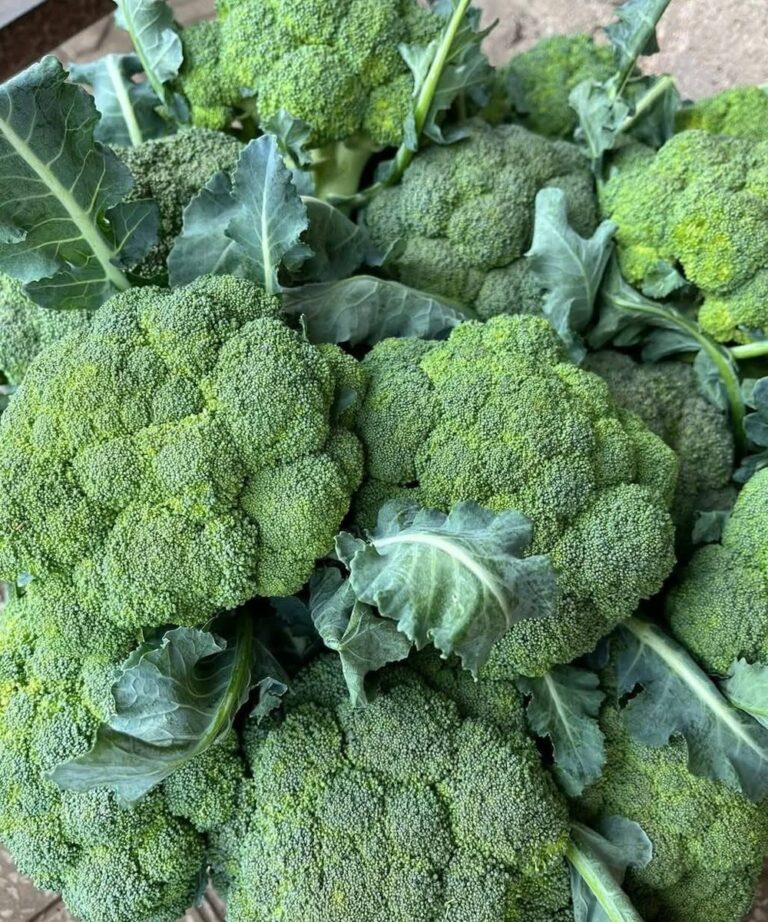
You’ve likely heard that broccoli is “good for you.”
But what if eating this vibrant green vegetable regularly could actively detoxify your body, protect your DNA, and even lower your risk of chronic disease?
Doctors and nutrition researchers aren’t just recommending broccoli as a side dish—they’re calling it one of nature’s most potent functional foods.
Packed with unique compounds like sulforaphane and indole-3-carbinol, broccoli doesn’t just nourish—it defends.
Let’s explore what really happens in your body when you eat broccoli regularly—and how to get the most out of every bite.
 Why Broccoli Is a Nutritional Powerhouse
Broccoli belongs to the cruciferous vegetable family (alongside kale, cauliflower, and Brussels sprouts), known for their cancer-fighting phytochemicals.
Per 1 cup (91g) of raw broccoli, you get:
Vitamin C: 81 mg (90% of daily needs!)
Vitamin K: 92 mcg (77% DV)
Fiber: 2.4 g
Folate, potassium, and iron
Sulforaphane: A sulfur-rich compound with powerful anti-inflammatory and detoxifying effects
 Fun fact: Broccoli contains more vitamin C per ounce than an orange!
 5 Science-Backed Effects of Eating Broccoli Regularly
1. Activates Natural Detoxification Pathways
Broccoli’s sulforaphane boosts Phase II liver enzymes that help eliminate toxins, pollutants, and excess hormones (like estrogen).
 Study insight: Research in Cancer Prevention Research shows sulforaphane may reduce cancer risk by enhancing cellular defense systems.
2. Supports Heart Health
The fiber, potassium, and antioxidants in broccoli help:
Lower LDL (“bad”) cholesterol
Reduce blood pressure
Decrease arterial inflammation
3. Protects DNA and May Reduce Cancer Risk
Compounds in broccoli help repair damaged DNA and inhibit tumor growth—especially in breast, prostate, and colon cancers.
 Note: The National Cancer Institute lists cruciferous vegetables as top dietary cancer fighters.
4. Promotes Gut Health
Broccoli’s fiber feeds beneficial gut bacteria, while its prebiotic compounds support a diverse microbiome—key for immunity and mood.
5. Supports Eye and Skin Health
Rich in lutein, zeaxanthin, and beta-carotene, broccoli helps protect against macular degeneration and UV skin damage.
 Who Should Be Cautious With Broccoli?
While beneficial for most, broccoli may not be ideal for everyone:
1. People with Hypothyroidism (Underactive Thyroid)
Broccoli contains goitrogens, which can interfere with iodine uptake in very large raw quantities.
Safe fix: Cooking deactivates goitrogens. Enjoy steamed or roasted broccoli in moderation.
2. Those on Blood Thinners (Like Warfarin)
Broccoli is high in vitamin K, which affects clotting.
 Important: Keep intake consistent—don’t suddenly eat huge amounts if you’re on medication.
3. People with IBS or Sensitive Digestion
Cruciferous veggies can cause gas or bloating due to raffinose (a complex sugar).
Fix: Steam thoroughly, start with small portions, or take digestive enzymes.
 How to Eat Broccoli for Maximum Benefit
Lightly steam or roast—preserves sulforaphane better than boiling
Chop and wait 40 minutes before cooking—allows myrosinase enzyme to activate sulforaphane
Add mustard powder to cooked broccoli—boosts sulforaphane formation
Eat with healthy fats (olive oil, avocado)—enhances absorption of fat-soluble nutrients
 Avoid overcooking: Mushy, gray broccoli loses nutrients and flavor.
 Final Thought: Small Florets, Big Impact
Broccoli won’t cure disease overnight—but eaten regularly as part of a balanced diet, it’s a powerful ally for long-term resilience.
In a world of quick fixes, it reminds us that true wellness grows slowly—one mindful bite at a time.
So next time you see those green florets at the market, grab a bunch.
Your cells, heart, and future self will thank you.
 Because sometimes, the most powerful medicine grows in your garden.
Found this helpful?
 Save this guide for your next grocery trip
Share it with someone focused on prevention or longevity
Comment below: How do you like to cook broccoli?
Disclaimer: This article is for educational purposes only and not medical advice. Consult your healthcare provider before making dietary changes, especially if you have thyroid conditions, are on blood thinners, or manage chronic illness.
