
Garlic has been used medicinally for thousands of years, and modern science confirms its blood-thinning properties.
What makes it work: Garlic contains a compound called allicin, which has been shown to inhibit platelet aggregation (clumping). It also has natural anti-inflammatory effects.
How to use it: Fresh, crushed garlic is most potent. Let crushed garlic sit for 10 minutes before cooking to activate beneficial compounds. Aim for 1-2 cloves daily.
Caveat: Garlic supplements are much more concentrated than food sources. If you’re on blood thinners, stick to culinary amounts and inform your doctor.
2. Ginger – The Warming Spice
That zesty kick in your stir-fry or tea is doing more than adding flavor—it’s supporting your circulation.
What makes it work: Ginger contains gingerol, a compound that inhibits platelet aggregation and reduces inflammation. It also contains natural salicylates, similar to the active ingredient in aspirin.
How to use it: Fresh ginger is best. Grate it into stir-fries, steep it in hot water for tea, or add it to smoothies. Aim for about 1 tablespoon fresh ginger daily.
Caveat: Ginger can interact with blood thinners. Large amounts (especially supplements) should be discussed with your doctor.
3. Turmeric – The Golden Spice
This bright yellow spice has gained well-deserved attention for its powerful anti-inflammatory and blood-thinning properties.
What makes it work: Curcumin, the active compound in turmeric, inhibits platelet aggregation and reduces inflammation throughout the body.
How to use it: Combine turmeric with black pepper, which dramatically increases absorption. Use it in curries, golden milk, or smoothies.
Caveat: Curcumin supplements are potent and can interact with blood thinners. Culinary amounts are generally safe, but inform your doctor.
4. Cinnamon – More Than Just a Topping
That sweet, warming spice in your oatmeal and baked goods has some impressive health benefits.
What makes it work: Cinnamon contains coumarin, a natural blood-thinning compound. (Note: Cassia cinnamon has more coumarin than Ceylon cinnamon.)
How to use it: Sprinkle on oatmeal, add to coffee, use in baking. About ½-1 teaspoon daily is a reasonable culinary amount.
Caveat: Cassia cinnamon in very large amounts can affect liver function due to coumarin content. Stick to culinary amounts.
5. Cayenne Pepper – The Circulation Booster
This spicy little pepper does more than clear your sinuses—it gets your blood moving.
What makes it work: Cayenne contains capsaicin, which improves circulation and may help prevent platelet aggregation. It also contains salicylates.
How to use it: Add a pinch to soups, stews, eggs, or even hot chocolate for a warming kick.
Caveat: Start small if you’re not used to spicy foods. Large amounts can irritate the digestive tract.
6. Vitamin E-Rich Foods – The Protective Nutrient
Vitamin E is a fat-soluble vitamin with natural blood-thinning properties.
What makes it work: Vitamin E inhibits platelet aggregation and acts as a powerful antioxidant, protecting blood vessels from damage.
Food sources:
Nuts and seeds: Almonds, sunflower seeds, hazelnuts
Leafy greens: Spinach, Swiss chard, kale
Vegetable oils: Wheat germ oil, sunflower oil, safflower oil
Avocados – Another reason to love them!
How to use it: A handful of almonds, a spinach salad, or half an avocado daily provides good amounts.
7. Omega-3 Rich Fish – The Essential Fat
Fatty fish are among the best dietary sources of omega-3 fatty acids, which support heart and blood health in multiple ways.
What makes it work: Omega-3s (EPA and DHA) reduce inflammation, lower triglycerides, and make platelets less “sticky.”
Best sources:
Salmon (wild-caught)
Mackerel
Sardines
Anchovies
Herring
How to use it: Aim for at least two servings of fatty fish per week.
Caveat: Fish oil supplements can have blood-thinning effects. If you’re on blood thinners, discuss supplements with your doctor.
Other Blood-Thinning Foods to Know
Grape seed extract – May inhibit platelet aggregation
Ginkgo biloba – Can thin blood; avoid with blood thinners
Red wine – Contains resveratrol; moderation is key
Pineapple – Contains bromelain, which may reduce clotting
Green tea – Contains antioxidants that support blood vessel health
Foods to Watch (If You’re on Blood Thinners)
If you’re taking prescription blood thinners like warfarin (Coumadin), be mindful of:
Vitamin K-rich foods (leafy greens, broccoli, Brussels sprouts) – These can affect INR levels. The key is consistency, not avoidance.
Cranberry juice – May interact with warfarin
Alcohol – Can affect how blood thinners work
Large amounts of any of the foods above – Moderation is key
The Bottom Line
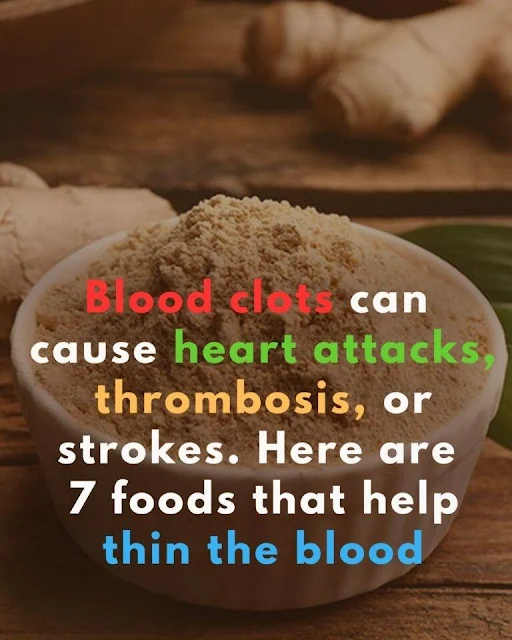
Nature provides an abundance of foods that support healthy blood flow and may reduce the risk of dangerous clots:
Garlic – Contains allicin, inhibits platelet aggregation
Ginger – Contains gingerol, natural salicylates
Turmeric – Curcumin reduces inflammation and platelet clumping
Cinnamon – Natural coumarin has blood-thinning effects
Cayenne – Capsaicin improves circulation
Vitamin E foods – Nuts, seeds, leafy greens
Omega-3 fish – Salmon, mackerel, sardines
Remember: These foods are powerful allies for general wellness. But if you’re on blood-thinning medication, never change your diet significantly without consulting your healthcare provider. Consistency is key, and your doctor needs to know about any major dietary shifts.
