
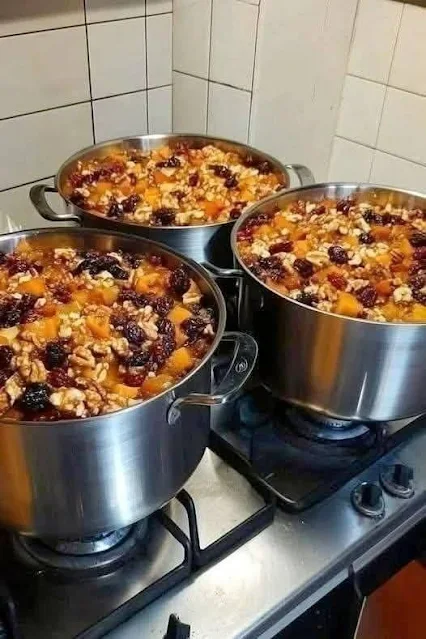
There are desserts that feed the body, and then there are desserts that feed the soul. Capirotada is the second kind.
This traditional Mexican bread pudding is so much more than a sweet treat. It’s a dish steeped in history, layered with symbolism, and passed down through generations like a whispered secret. Every family has their own version—their own ratio of ingredients, their own special touch—but the heart of capirotada remains the same: humble ingredients transformed into something extraordinary.
Served during Lent, particularly on Fridays, capirotada is a dish of profound meaning. Each layer represents something sacred: the bread as the body of Christ, the syrup as his blood, the cloves as the nails of the cross, the cinnamon sticks as the wood. But even if you’re not observing Lent, this warm, spiced, cheesy, sweet-and-savory pudding is simply one of the most comforting dishes you’ll ever taste.
Let me share with you the treasured family secret of authentic capirotada.
What Makes Capirotada Special
Unlike American bread pudding, which is typically sweet and custard-like, capirotada is a study in contrasts:
-
Sweet and savory – The piloncillo syrup provides deep caramel sweetness, while the cheese adds salty richness
-
Soft and crunchy – The bread soaks up the syrup, but dried fruit and nuts add texture
-
Warm and spiced – Cinnamon, cloves, and star anise infuse every bite with warmth
-
Humble and profound – Simple ingredients, deeply meaningful
The magic of capirotada comes from its specific ingredients. Don’t be tempted to take shortcuts with the syrup—it’s the soul of the dish.
The Foundation: Bread & Syrup
The Bread
Traditional capirotada uses day-old bolillo or telera rolls—Mexican breads similar to French bread but slightly softer. They’re sliced and often toasted or fried before layering to prevent them from turning into complete mush.
Substitutes: French bread, Italian bread, or any sturdy, day-old bread works. Avoid soft sandwich bread—it will disintegrate.
The Syrup (The Soul)
This is where the magic happens. The syrup is made from piloncillo—unrefined cane sugar with a deep, molasses-like flavor. Combined with spices, it creates a fragrant, complex liquid that transforms everything it touches.
No piloncillo? Substitute dark brown sugar, though the flavor won’t be quite as deep.
The Ingredients
For the Syrup:
2 cones piloncillo (about 8 oz each), or 2 cups dark brown sugar
4 cups water
2 cinnamon sticks
4 whole cloves
1 star anise (optional, but traditional)
1 strip orange peel (optional, adds brightness)
For the Assembly:
1 loaf day-old bolillo or French bread, sliced into ½-inch rounds
½ cup butter (for toasting the bread)
2 cups shredded cheese – queso fresco or asadero are traditional; Monterey Jack works
1 cup raisins
1 cup chopped pecans or walnuts
1 cup shredded coconut (optional, but common in some regions)
1 banana, sliced (optional)
½ cup chopped peanuts (for topping)
The Method: Layer, Pour, Bake, Cherish
Step 1: Make the Syrup
In a medium saucepan, combine piloncillo, water, cinnamon sticks, cloves, star anise, and orange peel (if using).
Bring to a boil, then reduce heat and simmer for 20-25 minutes, until slightly thickened and fragrant.
Remove from heat. Remove cinnamon sticks, cloves, and star anise (or leave them in for presentation—just warn diners).
Set aside.
Step 2: Toast the Bread
In a large skillet, melt butter over medium heat.
Add bread slices in batches and toast until golden on both sides. This step is crucial—untoasted bread will turn to mush.
Step 3: Layer the Capirotada
In a 9×13-inch baking dish, begin layering:
First layer: Toasted bread slices, slightly overlapping
Sprinkle: Cheese, raisins, nuts, coconut (if using)
Repeat until all ingredients are used, finishing with a layer of cheese and nuts on top
Step 4: Pour the Syrup
Slowly pour the warm syrup evenly over the entire dish, making sure all the bread gets soaked. Press down gently with a spatula to help absorption.
Step 5: Rest (Crucial Step!)
Let the dish sit for 30 minutes before baking. This allows the bread to absorb the syrup properly.
Step 6: Bake
Preheat oven to 350°F (175°C). Cover with foil and bake for 30 minutes. Remove foil and bake another 10-15 minutes until golden and bubbly.
Step 7: Rest and Serve
Let rest for 15-20 minutes before serving. Capirotada can be served warm, at room temperature, or even cold—each way is delicious.
The Symbolism: A Dish of Deep Meaning
During Lent, capirotada becomes more than food—it’s a teaching tool, a reminder of faith:
Ingredient Symbolism
Bread The body of Christ
Syrup (piloncillo) The blood of Christ
Cloves The nails of the cross
Cinnamon sticks The wood of the cross
Cheese The Holy Spirit or divine goodness
Raisins/dried fruit The wounds of Christ or the sweetness of faith
Nuts The passion and sacrifice
Every family’s version carries its own meaning, passed down through generations.
Pro-Tips for Capirotada Perfection
1. Don’t Rush the Syrup
That 20-25 minute simmer isn’t optional. It develops the deep, complex flavor that makes capirotada special.
2. Toast the Bread Thoroughly
Untoasted bread will turn to mush. Golden, crispy edges are your goal.
3. Let It Rest Before Baking
That 30-minute rest allows the bread to absorb the syrup evenly. Skipping it leads to uneven texture.
4. Layer Generously
Don’t be shy with the cheese, raisins, and nuts. Each layer should be visible and abundant.
5. Watch the Bake
Covered baking steams and melds flavors; uncovered baking creates a beautiful top. Both steps are essential.
6. Serve with Love
Capirotada is meant to be shared. Pass it around the table and watch faces light up.
Regional Variations
Central Mexico:
Often includes banana slices and coconut. Sweeter, fruitier.
Northern Mexico:
More savory, with less sugar and more cheese. Sometimes includes meat.
Jalisco style:
Includes peanuts and sometimes a splash of tequila in the syrup.
Michoacán style:
Uses fresh goat cheese and often includes plantains.
Modern twists:
Some versions add chocolate, espresso, or even a splash of rum.
What to Serve Alongside
Mexican hot chocolate – The classic pairing
Café de olla – Mexican spiced coffee
Vanilla ice cream – Warm capirotada à la mode is divine
Fresh fruit – Bright contrast to the rich pudding
Nothing – It’s perfect on its own
Storage and Reheating
Refrigerator:
Store in an airtight container for up to 4 days. The flavors deepen and meld beautifully.
Reheating:
Oven: 325°F for 10-15 minutes, covered.
Microwave: Individual portions, 30-60 seconds.
Stovetop: Gently warm in a covered skillet.
Capirotada is even better the next day. Make it ahead for best results.
Your Capirotada Questions, Answered
Can I make this dairy-free?
Yes, though it won’t be traditional. Use vegan butter and dairy-free cheese. The texture will be different but still delicious.
Can I use a different cheese?
Traditional cheeses are queso fresco, asadero, or Monterey Jack. Avoid very sharp or aged cheeses—they can overpower.
My bread turned to mush. What went wrong?
Either the bread wasn’t toasted enough, or too much syrup. Next time, toast thoroughly and measure syrup carefully.
Can I add meat?
Some regional versions include ground beef or chorizo. It becomes a savory main dish rather than dessert.
Is this supposed to be served warm or cold?
Both! It’s delicious warm from the oven, at room temperature, or even cold the next day.
Can I freeze capirotada?
It freezes reasonably well, though texture may change. Freeze in portions, thaw in refrigerator, and reheat gently.
