
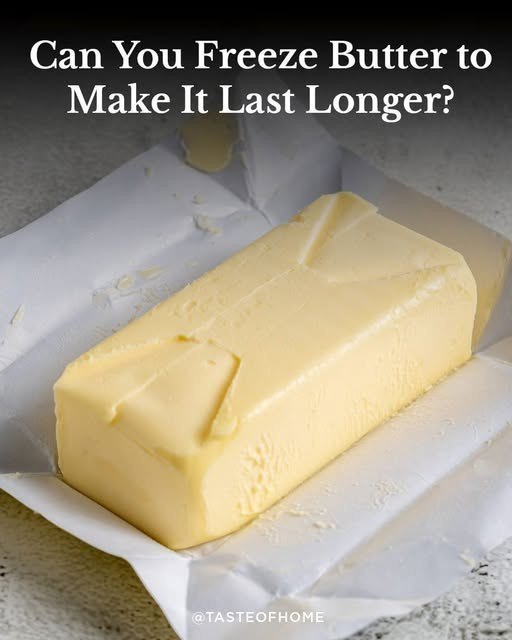
Butter is a kitchen essential, perfect for baking, cooking, or simply spreading on toast. Most people store it in the refrigerator, where it can stay fresh for weeks. But what if you have more butter than you can use before it starts to go off? The good news: freezing butter is safe, effective, and preserves its quality.
Why Freeze Butter?
Butter is naturally high in milkfat and low in moisture, which slows spoilage compared to other dairy products. In the fridge, unopened butter lasts several weeks or even months, but it can still:
- Absorb strong odors from other foods
- Slowly oxidize, affecting flavor and appearance
Freezing stops these processes, effectively putting the butter on pause. This is especially useful if:
- You bought in bulk or found a sale
- You won’t use all your butter quickly
- You want to reduce kitchen waste
How Long Can Butter Stay in the Freezer?
At 0 °F (−18 °C) or lower—the standard home freezer temperature—butter can last far longer than in the fridge:
- Salted butter: Up to 12 months
- Unsalted butter: Around 6–9 months
Salt acts as a mild preservative, which is why salted butter often freezes slightly better.
Tip: Freeze butter before its quality starts to decline—ideally before the printed “use by” date. Freezing halts spoilage but doesn’t sterilize the butter.
How to Freeze Butter Properly
Proper packaging is key to preserving flavor, texture, and preventing freezer burn:
- Keep it wrapped: Leave butter in its original packaging and add an extra layer of plastic wrap, foil, or a freezer-safe bag.
- Use airtight barriers: For opened butter, wrap in parchment paper and place in a heavy-duty freezer bag or vacuum-sealed package.
- Label and date: Mark the freezing date so you know how long it’s stored.
Proper packaging is especially important if you plan to use the butter in baking or as a spread later.
Using Frozen Butter
Frozen butter can be used in different ways depending on your needs:
- Thaw in the fridge overnight: Gentle and ensures even texture
- Grate it frozen: Perfect for pie crusts, biscuits, or other recipes requiring cold butter
- Microwave or stovetop: For softened or melted butter, heat in short bursts to avoid cooking it
-
Signs Butter Has Gone Bad
Even frozen butter eventually loses quality. Discard if you notice:
- Strong, sour smells
- Dramatic color changes
- Unusual or gritty texture after thawing
The Bottom Line
Freezing butter is a simple, effective way to extend shelf life up to a year while preserving flavor and texture. With proper wrapping, airtight storage, and correct thawing techniques, frozen butter gives you flexibility in the kitchen and helps reduce waste.
Next time you stock up on butter, consider freezing some—it’s a small step that pays off with long-lasting convenience.
