
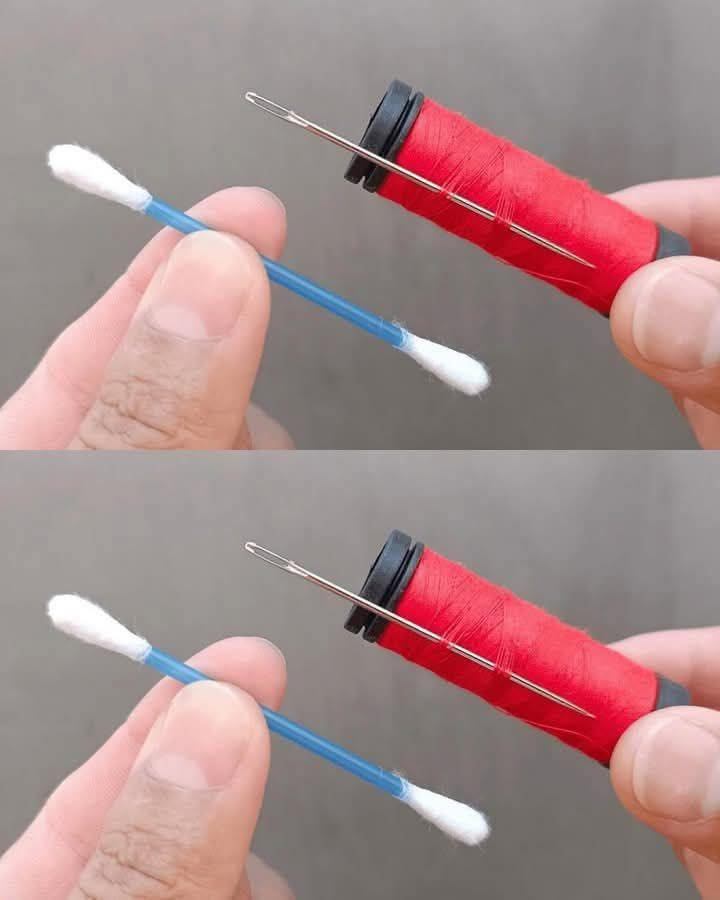
When you meet a seamstress who has spent six decades mastering her craft, you know the advice you’re about to receive is pure gold. Sewing isn’t just about stitching fabric together — it’s an art, a science, and a tradition passed down through generations. I had the privilege to learn from such a seasoned expert, and she shared timeless techniques that make sewing easier, more precise, and a joy to do.
Here’s a detailed step-by-step method inspired by her wisdom, perfect for beginners and even seasoned sewists who want to refine their skills.
Step 1: Prepare Your Workspace and Tools Meticulously
Why it matters: A clean, organized workspace and quality tools set the foundation for flawless sewing.
- Clean and well-lit space: Make sure your sewing table is tidy and well-lit to avoid mistakes.
- Essential tools: Invest in sharp scissors, quality needles, a seam ripper, pins, measuring tape, tailor’s chalk, and a good sewing machine (if you use one).
- Organize your supplies: Keep threads, buttons, zippers, and other accessories sorted by color and size.
Seamstress tip: “Your hands and tools must work together like an orchestra. If your tools are dull or your workspace cluttered, your final work will reflect that.”
Step 2: Choose the Right Fabric and Pre-Treat It
Why it matters: Fabric choice affects how your garment looks, fits, and lasts. Pre-treating fabric prevents surprises after washing.
- Select fabric based on project: Lightweight fabrics for blouses, heavier ones for coats, stretchy for knitwear, etc.
- Pre-wash fabric: Always wash and dry your fabric as you would the finished garment to avoid shrinking or color bleeding later.
- Iron your fabric: Smooth fabric allows for more accurate cutting.
Seamstress tip: “Never skip pre-washing! I’ve seen garments ruined after their first wash because the fabric shrank or colors ran.”
Step 3: Accurate Measuring and Pattern Selection
Why it matters: Perfect fit starts with precise measurements and a good pattern.
- Take your own or client’s measurements carefully: Bust, waist, hips, length, shoulder width, arm length, and any other relevant dimension.
- Choose or draft the right pattern: Use commercial patterns or draft your own to match your measurements.
- Adjust the pattern: Make modifications for style, ease, or fit before cutting.
Seamstress tip: “Even a small measurement mistake can make a big difference. Double-check everything before cutting.”
Step 4: Cutting the Fabric with Precision
Why it matters: How you cut fabric impacts sewing accuracy and garment symmetry.
- Lay fabric flat and smooth: Use a large, clean surface.
- Pin pattern pieces firmly: Prevent shifting while cutting.
- Cut slowly and follow the pattern edges exactly: Use sharp fabric scissors.
- Mark important points: Use tailor’s chalk or fabric markers to indicate darts, notches, and seam allowances.
Seamstress tip: “Cut once, cut right. If you’re unsure, mark your fabric first, then cut carefully. Fabric is precious.”
Step 5: Pin and Baste Pieces Together
Why it matters: Temporarily holding pieces together ensures better sewing accuracy.
- Pin pieces right sides together: Align edges and seams.
- Use basting stitches: Hand sew long loose stitches along the seam line to check fit and placement before permanent stitching.
- Try on or check the fit on a dress form: Adjust basting if necessary.
Seamstress tip: “Basting is like a rehearsal before the main performance. It saves you from costly mistakes.”
Step 6: Stitching with Care and Consistency
Why it matters: Quality stitching ensures durability and a professional finish.
- Set your sewing machine: Use the correct needle and thread type for your fabric.
- Sew straight and even seams: Use guides on your machine or sew slowly by hand.
- Press seams open or to one side: Use an iron after sewing to set stitches and create a crisp look.
- Backstitch at the beginning and end: Prevent seam unraveling.
Seamstress tip: “Don’t rush your sewing. The slow, steady stitch is the key to longevity.”
Step 7: Finishing Touches and Details
Why it matters: Small details add polish and professionalism to your garment.
- Finish raw edges: Use zigzag stitch, pinking shears, or serger to prevent fraying.
- Add hems, buttons, zippers, or trims: Follow the pattern instructions carefully.
- Press the entire garment: Give your finished piece a clean, crisp look.
- Final fitting: Make any last-minute adjustments.
Seamstress tip: “The magic is in the details. A well-finished edge or perfectly placed button makes all the difference.”
Final Thoughts
This 60-year veteran’s method emphasizes patience, precision, and preparation. Sewing is not just a skill but a journey that improves with every stitch you make. Whether you’re creating a simple pillow cover or a tailored dress, following these steps will elevate your sewing projects from good to exceptional.
So next time you sit down at your sewing machine or with needle and thread, remember these timeless tips — because sewing well is a labor of love that pays off beautifully in the end.
Would you like me to include some beginner-friendly projects using this method? Or tips for troubleshooting common sewing mistakes?
