
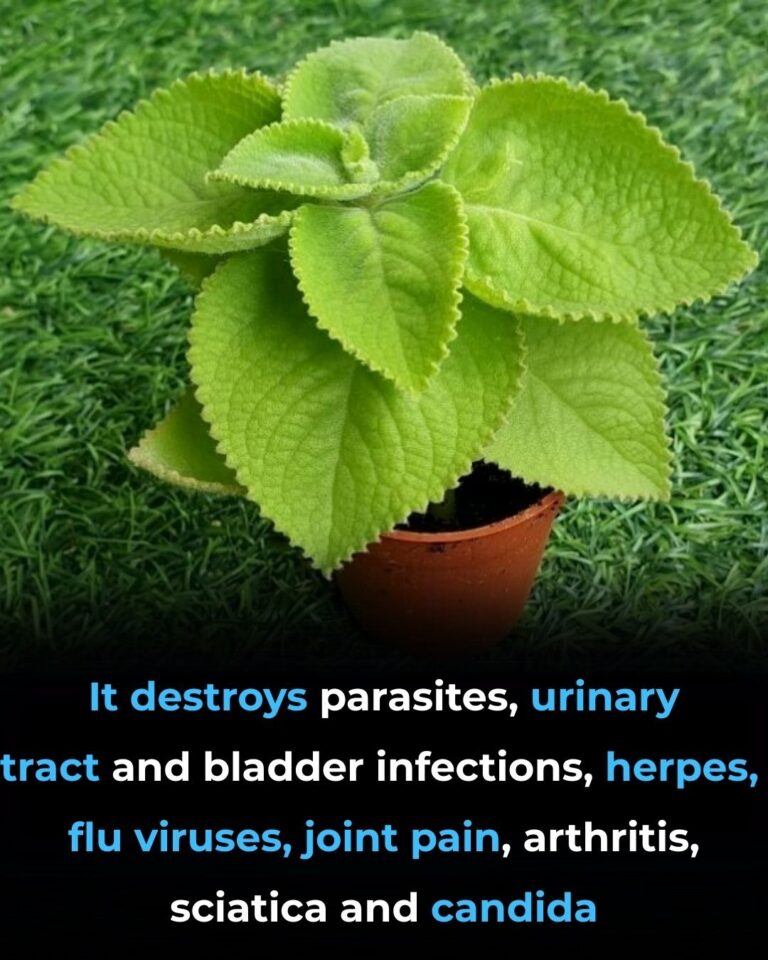
When you think of oregano, you probably picture a sprinkle on pizza or a dash in spaghetti sauce.
But this humble Mediterranean herb is far more than just a flavor booster.
Packed with powerful compounds, oregano (Origanum vulgare) has been used for centuries in traditional medicine — and modern science is now confirming its impressive healing potential.
From antioxidants to antimicrobial effects, oregano packs a punch in a tiny leaf.
Let’s explore how this kitchen staple can support your health — safely and naturally.
 What Makes Oregano So Powerful?
Oregano ranks among the most antioxidant-rich herbs in the world.
Its health benefits come from potent plant compounds, including:
Carvacrol – the primary active ingredient with strong antimicrobial properties
Thymol – supports immune function and fights fungi
Rosmarinic acid – a natural antioxidant that fights inflammation
Polyphenols – protect cells from oxidative stress
 According to the USDA, oregano has 42 times more antioxidant power than apples — gram for gram.
Science-Backed Health Benefits of Oregano
1. Natural Antimicrobial Support
Carvacrol has been shown in lab studies to inhibit the growth of bacteria like E. coli and Staphylococcus aureus
Thymol is effective against certain fungi, including Candida species
 This is why oregano oil is sometimes used topically for minor skin infections — but never undiluted.
 Note: Most research is lab-based; human trials are limited.
2. Rich in Antioxidants
Fights free radicals linked to aging and chronic disease
May help reduce cellular damage caused by pollution, stress, and poor diet
Use fresh or dried oregano regularly in meals to boost antioxidant intake.
3. Anti-Inflammatory Effects
Polyphenols in oregano may help reduce inflammation in the body
Chronic inflammation is linked to heart disease, arthritis, and diabetes
 Animal and test-tube studies show promise — more human research is needed.
4. Supports Digestive Health
Traditionally used to ease bloating, gas, and indigestion
Carvacrol may help relax digestive tract muscles and reduce discomfort
Add to bean dishes, soups, or roasted vegetables for flavor and gentle support.
5. May Support Immune Function
Its antimicrobial and antioxidant content gives oregano immune-boosting reputation
Often used in natural wellness blends during cold season
 Not a substitute for vaccines or medical treatment — but a supportive addition.
 How to Use Oregano Safely
Fresh or Dried Herb
Add to sauces, salads, roasted veggies, meats, or teas
Oregano Oil (Essential Oil)
Always dilute with carrier oil (like olive or coconut oil) — 1–2 drops per tsp
Tea
Steep 1 tsp dried oregano in hot water for 5–10 minutes
Supplements
Only under healthcare provider guidance — not for long-term use
Safety & Precautions
While oregano is safe as a food seasoning, concentrated forms require caution:

Pregnant women
High doses may stimulate uterine contractions
People on blood thinners
May interact with anticoagulant drugs
Those with allergies to mint family plants
Oregano is part of the Lamiaceae family (like basil, thyme, rosemary)
Children under 6
Essential oils should be avoided or highly diluted
 Never ingest oregano essential oil without professional supervision — it’s highly concentrated and potentially toxic.
Debunking the Myths
“Oregano oil cures infections”
No — it may help fight microbes, but isn’t a replacement for antibiotics
“It detoxes your liver”
Your liver detoxes naturally — no herb “cleanses” it
“More is better”
Overuse can cause stomach upset or allergic reactions
“You can drink oregano tea every day”
Moderate use is fine — excessive amounts may affect iron absorption
Final Thoughts
You don’t need exotic superfoods to support your health.
Sometimes, the most powerful healers are already in your spice rack.
With oregano, you get bold flavor — and a dose of nature’s defense system.
So next time you’re cooking…
sprinkle a little extra.
Because real wellness doesn’t come from pills.
It grows quietly — one fragrant leaf at a time.
