
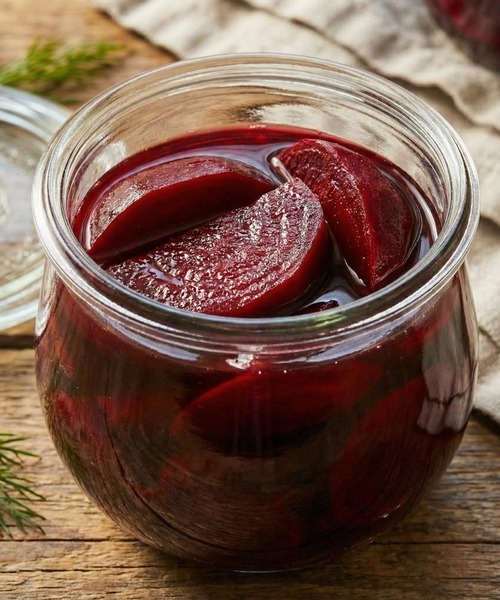
Beets may look like an ordinary vegetable, but their effects on the body are far from ordinary. According to nutrition experts, eating beets regularly can support circulation, energy levels, digestion, and heart health—often beginning within hours of consumption.
Their deep red color signals the presence of powerful plant compounds that have been widely studied. One of the most important is dietary nitrate, which the body converts into nitric oxide. This molecule helps relax and widen blood vessels, improving blood flow and oxygen delivery throughout the body.
Better circulation supports cardiovascular health, mental clarity, and physical performance—making beets popular among athletes, busy professionals, and older adults alike.
1. Beets and Blood Flow: The Nitric Oxide Effect
Beets are one of the richest natural sources of nitrates. Once converted into nitric oxide, these compounds help:
-
Relax blood vessels
-
Improve oxygen delivery
-
Support healthy blood pressure
-
Enhance stamina and endurance
This is why beetroot juice is often used before workouts—it may help improve exercise performance and reduce fatigue.
2. Digestive Health and Balanced Energy
Beyond circulation, beets are high in dietary fiber, which plays a major role in digestive wellness. Fiber:
-
Feeds beneficial gut bacteria
-
Supports regular bowel movements
-
Slows glucose absorption
-
Promotes steadier blood sugar levels
Unlike beet juice, whole beets contain fiber that helps prevent rapid blood sugar spikes. This makes them a smarter option for sustained energy.
3. Powerful Antioxidants: Betalains
Beets contain unique antioxidants called betalains, responsible for their vibrant red-purple color. These compounds help the body manage oxidative stress and support natural detoxification processes.
While beets are not a “miracle detox,” they do assist the liver and other organs in performing their natural cleansing functions more efficiently.
4. Essential Nutrients in Beets
Beets provide several important vitamins and minerals, including:
-
Folate (supports cell growth and heart health)
-
Potassium (helps regulate blood pressure)
-
Manganese (supports metabolism and bone health)
-
Iron (supports oxygen transport in the blood)
This nutrient profile contributes to overall vitality and long-term wellness.
5. Important Considerations
Experts emphasize realistic expectations. Beets are highly nutritious—but they are not a substitute for medical treatment.
Keep in mind:
-
Beet juice may raise blood sugar faster than whole beets
-
People prone to kidney stones should moderate intake due to oxalates
-
A harmless condition called beeturia may cause pink or red urine
For most people, this effect is completely normal and not a cause for concern.
The Real Secret: Consistency
The benefits of beets come from regular consumption—not from one serving. Over time, including beets in your meals may support:
-
Better stamina
-
Improved digestion
-
Healthier circulation
-
More stable energy levels
They can be enjoyed roasted, steamed, blended into smoothies, or grated into salads and soups.
Beets may not be the trendiest vegetable, but their steady, science-backed benefits make them a powerful addition to any balanced diet. Choosing whole foods like beets is a simple step toward long-term wellness—supporting your body quietly, consistently, and effectively.
Thank you for visiting the site…….
