
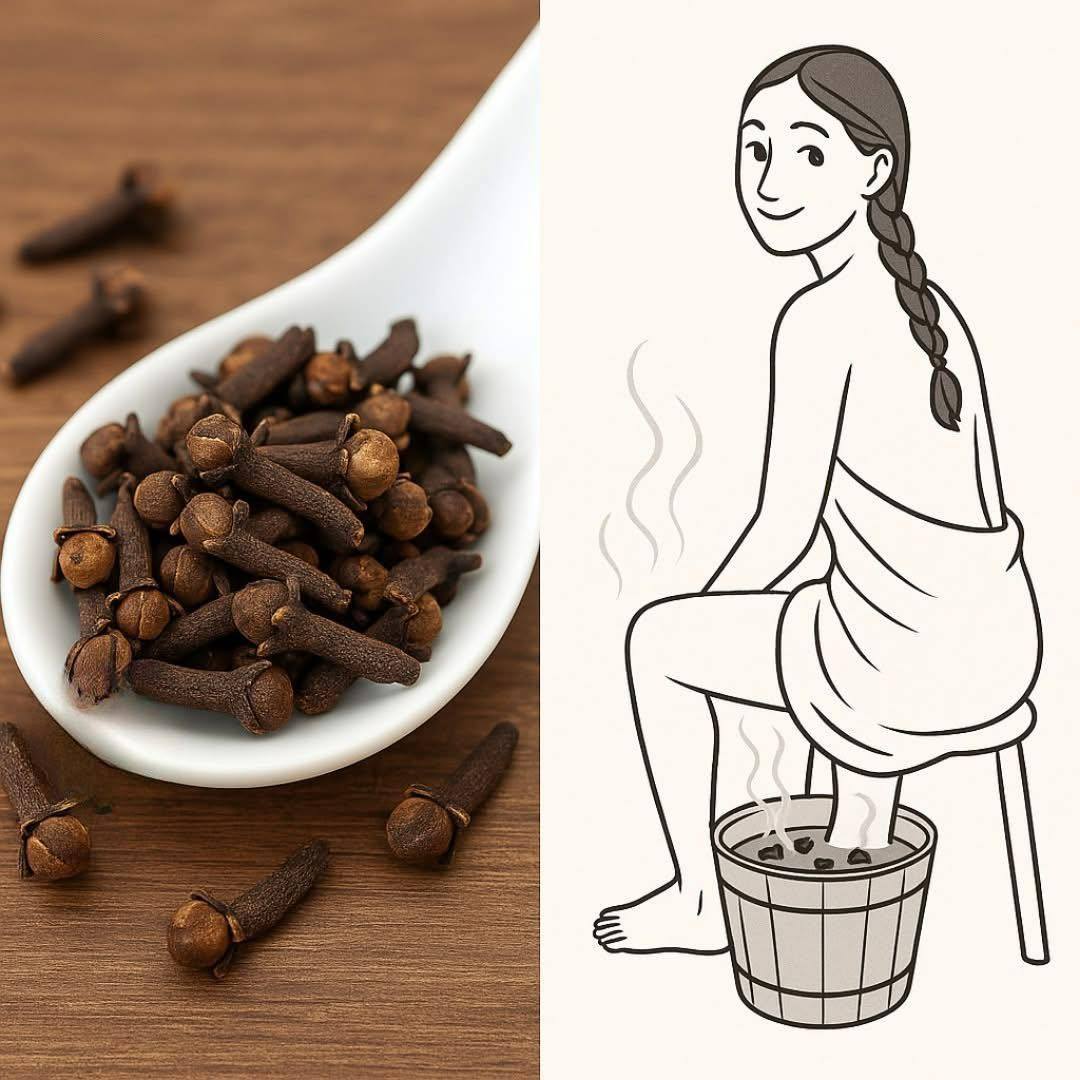
You’ve smelled them in holiday cider.
Tasted them in spiced curries. Seen them stud an orange at Christmas.
But cloves are more than just a seasonal spice. For centuries, across cultures from India to Indonesia, they’ve been used as a powerful tool in traditional healing.
Discover more
lemons
Eggs
Lemon
Rich in antioxidants, antimicrobial compounds, and one very potent essential oil — eugenol — cloves offer subtle, supportive benefits that can enhance your daily wellness routine.
Let’s explore what modern science says about this tiny but mighty bud — so you can use cloves not just for flavor… but for function.
Because real healing isn’t loud. It’s quiet. And sometimes, it starts with one small spice.
🔬 What Are Cloves?
Cloves are the dried flower buds of the Syzygium aromaticum tree, native to the Maluku Islands in Indonesia.
Used for over 2,000 years in:
Traditional Chinese Medicine
Ayurveda
Middle Eastern and African herbal practices
Today, they’re studied for their high concentration of bioactive compounds — especially eugenol, which makes up 70–90% of clove essential oil.
📌 Key components:
Compound
Benefit
✅ Eugenol
Anti-inflammatory, pain-relieving, antimicrobial
✅ Methyl salicylate
Mild analgesic (similar to aspirin)
✅ Flavonoids & phenolic acids
Antioxidants that combat oxidative stress
While not a replacement for medical treatment, cloves can play a supportive role in everyday wellness.
✅ 6 Science-Supported Benefits of Cloves
1. May Support Oral Health
Cloves have long been used to soothe toothaches — and science backs this tradition.
Eugenol has:
Pain-relieving properties
Antimicrobial effects against oral bacteria
Anti-inflammatory action
🔬 A 2006 study published in the Journal of Dentistry found clove gel was as effective as benzocaine for numbing gums before injections.
🪥 How to use safely:
Apply 1 drop diluted clove oil on a cotton ball to affected area (never undiluted)
Use clove-infused mouthwash (commercial or homemade)
Chew one whole clove (briefly) for temporary relief
⚠️ Not for children under 2; avoid if you have bleeding disorders or are undergoing dental surgery.
2. Rich in Antioxidants That Fight Cellular Damage
Oxidative stress contributes to aging and chronic disease.
Cloves rank among the highest antioxidant-rich spices per gram — even higher than cinnamon or oregano.
Discover more
lemons
Eggs
Lemons
✅ In lab tests, clove extract neutralized free radicals effectively.
💡 Regular culinary use may help reduce overall oxidative load — especially when combined with other plant-based foods.
3. May Aid Digestive Comfort
In Ayurveda, cloves are considered “agni-enhancing” — meaning they support digestive fire.
Modern understanding shows:
Clove oil stimulates gastric secretions
Helps relax smooth muscle in the gut
Traditionally used for bloating, gas, and nausea
🍵 Sipping weak clove tea after meals may promote comfort (steep 1–2 whole buds in hot water for 5–10 minutes).
🚫 Avoid large amounts — can irritate stomach lining.
4. Has Natural Anti-Inflammatory Effects
Chronic inflammation is linked to arthritis, heart disease, and diabetes.
Eugenol inhibits inflammatory pathways in lab and animal studies.
Discover more
mayonnaise
Soups & Stews
food
While human trials are limited, topical clove oil has shown promise in reducing joint pain and swelling — often blended with carrier oils like coconut or jojoba.
🧉 Caution: Always dilute before skin application — eugenol is strong.
5. May Help Regulate Blood Sugar (Early Research)
Preliminary studies suggest clove extract might improve insulin sensitivity.
A 2019 animal study found it lowered fasting glucose levels — possibly due to nigricin, a compound in cloves.
🩸 Human data is still lacking — but including cloves in balanced meals won’t hurt and may help.
🍽️ Try adding ground cloves to oatmeal, smoothies, or roasted squash.
6. Natural Antimicrobial Properties
Clove oil has demonstrated effectiveness against:
Bacteria (including some strains resistant to antibiotics)
Fungi (like Candida)
Viruses (in lab settings)
While not a disinfectant for wounds, its antimicrobial nature supports oral and gut health when used appropriately.
🧪 Often found in natural toothpastes and breath fresheners.
🍽️ How to Use Cloves Safely Every Day
In the Kitchen:
Method
Tip
✅ Whole cloves
Stud oranges, simmer in broths, or infuse in rice dishes
✅ Ground cloves
Add to baked goods, chai tea, pumpkin pie, or spice blends
✅ Clove tea
Steep 1–2 whole cloves in hot water — strain before drinking
✅ Syrups or tonics
Combine with honey and lemon for soothing effect (coughs, sore throat)
🔥 Start small — cloves are strong. Too much can cause bitterness or irritation.
⚠️ Safety Tips & Precautions
Cloves are safe in culinary amounts — but caution is needed with concentrated forms.
Rule
Why It Matters
❗ Never ingest undiluted clove oil
Can cause liver damage, seizures, or respiratory issues — especially in children
❗ Limit use during pregnancy
High doses may stimulate uterine contractions
❗ Talk to your doctor if on blood thinners
Eugenol may increase bleeding risk
❗ Discontinue before surgery
Due to potential interactions with anesthesia
❗ Patch test before topical use
Can cause skin irritation or allergic reaction
🟢 Stick to food-grade cloves and consult a healthcare provider before using medicinally.
❌ Debunking the Myths
Myth
Truth
❌ “Chewing cloves cures cavities”
False — they don’t replace brushing or fillings
❌ “Cloves kill cancer cells”
Misleading — lab studies show effects, but no evidence in humans
❌ “More clove oil = faster healing”
Dangerous myth — potency requires respect
❌ “They’re safe for babies with teething pain”
No — FDA warns against clove oil for teething due to toxicity risk
Final Thoughts
You don’t need exotic remedies to live well.
But you do deserve to know the power hiding in plain sight — in your spice jar, in your tea, in that warm, pungent bite.
So next time you’re seasoning dinner… pause.
Appreciate its depth. Respect its strength. Use it wisely.
Because real wellness isn’t flashy. It’s layered. And sometimes, it comes in something smaller than a peppercorn — yet bolder than any trend.
