
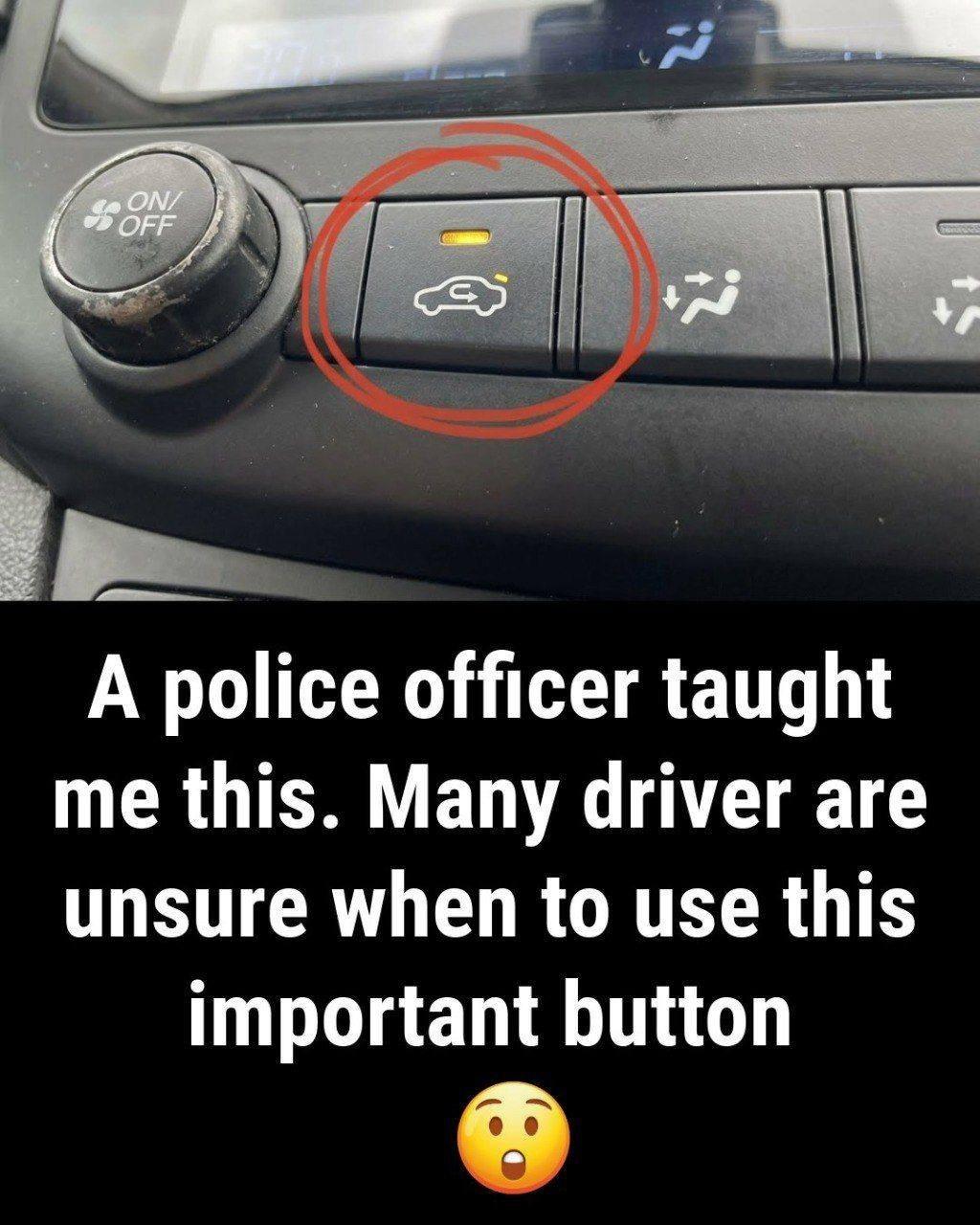
Most drivers have seen the small dashboard icon showing a car with a circular arrow inside it.
Few, however, truly understand its impact.
That simple button controls your vehicle’s air recirculation system — and when used correctly, it can dramatically improve comfort, air quality, and even fuel efficiency inside your car.
Understanding when to turn it on — and when to turn it off — can completely change your driving experience.
What Does the Air Recirculation Button Actually Do?
Your vehicle’s ventilation system works in two modes:
Fresh Air Mode (Recirculation Off)
When the recirculation function is turned off, the system:
-
Pulls air from outside
-
Filters it
-
Heats or cools it
-
Distributes it into the cabin
This keeps airflow fresh and balanced.
Recirculation Mode (Recirculation On)
When activated:
-
An internal flap closes
-
Outside air is blocked
-
The system reuses air already inside the cabin
This creates a closed-loop system, which can increase efficiency under the right conditions.
Why Recirculation Is So Useful in Hot Weather
One of the biggest advantages of using recirculation mode is faster cooling.
Here’s why:
When your air conditioner cools already chilled cabin air instead of constantly pulling in hot outside air, the interior reaches a comfortable temperature much faster.
Benefits include:
-
Faster cooling
-
Less strain on the AC system
-
Improved fuel efficiency
-
Reduced engine workload
In extremely hot climates, this can make a noticeable difference.
Protection from Pollution, Dust & Odors
Recirculation mode is especially helpful when:
-
Driving behind trucks with heavy exhaust
-
Passing through tunnels
-
Traveling in areas with strong odors
-
Driving on dusty roads
It reduces the amount of polluted air entering the cabin.
For drivers with allergies, this can also mean:
-
Less pollen exposure
-
Fewer airborne irritants
-
Improved breathing comfort
When You Should NOT Use Air Recirculation
While useful, recirculation mode is not designed for constant use.
In cold or rainy weather, keeping air trapped inside the cabin can:
-
Increase humidity
-
Cause window fogging
-
Reduce visibility
In these situations, switching back to fresh air helps clear the windshield faster and maintain safe driving conditions.
On long road trips, allowing fresh air into the cabin also helps maintain healthier oxygen levels and can reduce driver fatigue.
A Simple Habit That Makes a Big Difference
To keep your ventilation system working efficiently:
-
Replace your cabin air filter regularly
-
Avoid leaving recirculation on for extended periods in cold weather
-
Use it strategically in heat or polluted environments
It’s a small button — but a powerful one.
The Bottom Line
The air recirculation button isn’t just another dashboard feature.
Used correctly, it can:
-
Improve cabin comfort
-
Speed up cooling
-
Reduce exposure to pollutants
-
Increase overall driving efficiency
But like many automotive features, it works best when used at the right time.
Next time you see that circular arrow symbol, you’ll know it’s more than just an icon — it’s a smart tool for a better driving experience.
Thank you for visiting the site…
